
Play video to start
Duration: 17m25s
Tap  to scroll to a caption.
Tap word for more information.
By the way, for some odd reason,
By
the
way
for
some
odd
reason
tonight's audience, in the middle of a blizzard--
tonight's
audience
in
the
middle
of
a
blizzard-
packed with Texas people.
packed
with
Texas
people
Welcome.
Welcome
[CHEERING]
CHEERING
Ladies and gentlemen, there's been
Ladies
and
gentlemen
there's
been
some sort of weird nonverbal communication
some
sort
of
weird
nonverbal
communication
between the Texas people.
between
the
Texas
people
I don't know if that is a call to violence--
I
don't
know
if
that
is
a
call
to
violence-
[LAUGHTER]
LAUGHTER
--or perhaps camaraderie.
-or
perhaps
camaraderie
But isn't that odd?
But
isn't
that
odd
You came out-- and by the way, thank you
You
came
out-
and
by
the
way
thank
you
for coming in a little early because of the weather and all
for
coming
in
a
little
early
because
of
the
weather
and
all
that. So we really--
that
So
we
really-
Wouldn't miss it for the world.
Wouldn't
miss
it
for
the
world
Thank you so much.
Thank
you
so
much
I'm delighted you're here.
I'm
delighted
you're
here
This is such music to my ears, this book,
This
is
such
music
to
my
ears
this
book
A Middle-Class New Deal.
A
Middle-Class
New
Deal
I want to talk to you about one of the myths--
I
want
to
talk
to
you
about
one
of
the
myths-
I guess misunderstandings, maybe, about our middle class--
I
guess
misunderstandings
maybe
about
our
middle
class-
is that it didn't-- it wasn't just happenstance
is
that
it
didn't-
it
wasn't
just
happenstance
that created the middle class.
that
created
the
middle
class
It wasn't just the invisible hand that did it.
It
wasn't
just
the
invisible
hand
that
did
it
Government really played a role.
Government
really
played
a
role
So walk us through a little bit of that.
So
walk
us
through
a
little
bit
of
that
Well, I wouldn't even say they played a role.
Well
I
wouldn't
even
say
they
played
a
role
They created it.
They
created
it
Our political leaders, after the Depression and World War
Our
political
leaders
after
the
Depression
and
World
War
II, decided, do we really want to bring back
II
decided
do
we
really
want
to
bring
back
all of the servicemen-- because it was mostly men at the time--
all
of
the
servicemen-
because
it
was
mostly
men
at
the
time-
into an economy that had barely recovered from the Depression?
into
an
economy
that
had
barely
recovered
from
the
Depression
And so they made the conscious decision
And
so
they
made
the
conscious
decision
to create the middle class.
to
create
the
middle
class
It didn't just-- since I have a lot of Texans here,
It
didn't
just-
since
I
have
a
lot
of
Texans
here
it didn't just crop up like weeds in a field
it
didn't
just
crop
up
like
weeds
in
a
field
after a Texas storm, right?
after
a
Texas
storm
right
It's there because we created it.
It's
there
because
we
created
it
[LAUGHTER]
LAUGHTER
So let me just translate very quickly.
So
let
me
just
translate
very
quickly
[CHEERING]
CHEERING
It didn't just pop up like a bagel store in--
It
didn't
just
pop
up
like
a
bagel
store
in-
OK.
OK
Would that be-- OK.
Would
that
be-
OK
Go ahead.
Go
ahead
But that's exactly right.
But
that's
exactly
right
And there were little things that I found so interesting.
And
there
were
little
things
that
I
found
so
interesting
Prior to the New Deal, if you wanted to buy a house,
Prior
to
the
New
Deal
if
you
wanted
to
buy
a
house
you couldn't get a 30-year mortgage that was amortized--
you
couldn't
get
a
30-year
mortgage
that
was
amortized-
there were these-- and you had to put down 50% or even
there
were
these-
and
you
had
to
put
down
50
or
even
more to even get in the game.
more
to
even
get
in
the
game
Yeah.
Yeah
And not only could you not get a 30-year mortgage,
And
not
only
could
you
not
get
a
30-year
mortgage
they didn't exist.
they
didn't
exist
And so when everyone sits around now, talking about,
And
so
when
everyone
sits
around
now
talking
about
well, you know, homeowners-- you ought to be able to buy--
well
you
know
homeowners-
you
ought
to
be
able
to
buy-
well when people had to put down 50% and you had maybe a 5
well
when
people
had
to
put
down
50
and
you
had
maybe
a
5
to 10-year repayment period, very
to
10-year
repayment
period
very
few people could own a home.
few
people
could
own
a
home
And so Congress allowed banks to create the 15 to 30-year
And
so
Congress
allowed
banks
to
create
the
15
to
30-year
mortgage, which is why I argue in the book--
mortgage
which
is
why
I
argue
in
the
book-
and when I talk about it-- that if Congress wanted to fix
and
when
I
talk
about
it-
that
if
Congress
wanted
to
fix
the problems that are going on now, if they wanted to restore
the
problems
that
are
going
on
now
if
they
wanted
to
restore
the middle class, they could.
the
middle
class
they
could
Because they created the middle class with things like,
Because
they
created
the
middle
class
with
things
like
you know, creating a 15 to 30-year mortgage product.
you
know
creating
a
15
to
30-year
mortgage
product
Now.
Now
Is it that the programs that we have now
Is
it
that
the
programs
that
we
have
now
are not sufficient to do it or that we
are
not
sufficient
to
do
it
or
that
we
shifted the way we do it?
shifted
the
way
we
do
it
So now they might say, well--
So
now
they
might
say
well-
so in this, they establish, what,
so
in
this
they
establish
what
the Federal Housing Authority?
the
Federal
Housing
Authority
Now let's also be clear.
Now
let's
also
be
clear
These programs were for almost exclusively white people,
These
programs
were
for
almost
exclusively
white
people
which is why we see such a gap in wealth and equity
which
is
why
we
see
such
a
gap
in
wealth
and
equity
that still exists.
that
still
exists
Yep, homeownership gap.
Yep
homeownership
gap
It's been 20-- basically, 25% gap
It's
been
20-
basically
25
gap
between white homeownership rates
between
white
homeownership
rates
and Black homeowner-- forever.
and
Black
homeowner-
forever
And also, the wealth gap is largely
And
also
the
wealth
gap
is
largely
driven by the lack of housing wealth
driven
by
the
lack
of
housing
wealth
in most Black households.
in
most
Black
households
And by the way, that's because of,
And
by
the
way
that's
because
of
again, not the free market.
again
not
the
free
market
That was a manipulated market as well.
That
was
a
manipulated
market
as
well
You talk about redlining and blockbusting.
You
talk
about
redlining
and
blockbusting
Well, and the other thing is, you
Well
and
the
other
thing
is
you
couldn't be approved for the FHA guaranteed
couldn't
be
approved
for
the
FHA
guaranteed
15 to 30-year mortgages.
15
to
30-year
mortgages
And so if you can't get the mortgage loan, which is cheap,
And
so
if
you
can't
get
the
mortgage
loan
which
is
cheap
it amortizes, then you're stuck in the really
it
amortizes
then
you're
stuck
in
the
really
bad private market, which means that you pay too much.
bad
private
market
which
means
that
you
pay
too
much
And then you live in a neighborhood where your homes
And
then
you
live
in
a
neighborhood
where
your
homes
aren't going to appreciate in value
aren't
going
to
appreciate
in
value
as much because up until the late 1960s,
as
much
because
up
until
the
late
1960s
'70s, racism was legal.
'70s
racism
was
legal
I mean, our laws allowed--
I
mean
our
laws
allowed-
There were covenants even when--
There
were
covenants
even
when-
if it wasn't explicitly legal, there'd be homeowner
if
it
wasn't
explicitly
legal
there'd
be
homeowner
association covenants.
association
covenants
Exactly, yeah, that would say you
Exactly
yeah
that
would
say
you
can't sell your home to certain types of people,
can't
sell
your
home
to
certain
types
of
people
and we know who those certain types of people were.
and
we
know
who
those
certain
types
of
people
were
But you use, I think, to great effect,
But
you
use
I
think
to
great
effect
your parents' rise to the middle class and the way
your
parents'
rise
to
the
middle
class
and
the
way
that they overcame that.
that
they
overcame
that
But it was unusual, and they had to work harder to do it.
But
it
was
unusual
and
they
had
to
work
harder
to
do
it
Exactly.
Exactly
And so one of the things that I try to do in the book
And
so
one
of
the
things
that
I
try
to
do
in
the
book
is to show how my parents became and remained
is
to
show
how
my
parents
became
and
remained
middle class to then show why it's
middle
class
to
then
show
why
it's
so hard now for young people to do the same thing.
so
hard
now
for
young
people
to
do
the
same
thing
It was harder for my parents because they
It
was
harder
for
my
parents
because
they
were becoming middle class in the 1960s, 1970s.
were
becoming
middle
class
in
the
1960s
1970s
And they were teachers. They were--
And
they
were
teachers
They
were-
And they were teachers.
And
they
were
teachers
But they knew they had to get a college degree.
But
they
knew
they
had
to
get
a
college
degree
So at that time, you could actually
So
at
that
time
you
could
actually
get what I call a good job--
get
what
I
call
a
good
job-
full time, 40 hour a week job that
full
time
40
hour
a
week
job
that
paid you enough to support your family without a college
paid
you
enough
to
support
your
family
without
a
college
degree-- not true now.
degree-
not
true
now
But if you were Black then, you really
But
if
you
were
Black
then
you
really
needed to get the college degree,
needed
to
get
the
college
degree
or else you were really going to be fighting obstacles.
or
else
you
were
really
going
to
be
fighting
obstacles
But yeah, my parents were able to go from being-- my mom
But
yeah
my
parents
were
able
to
go
from
being-
my
mom
grew up on a farm.
grew
up
on
a
farm
My dad's parents-- my father's parents were laborers,
My
dad's
parents-
my
father's
parents
were
laborers
but they were able to go to college.
but
they
were
able
to
go
to
college
They didn't have to drown themselves
They
didn't
have
to
drown
themselves
in student loan debt.
in
student
loan
debt
They worked hard.
They
worked
hard
They got up every day.
They
got
up
every
day
They followed the rules.
They
followed
the
rules
They bought homes.
They
bought
homes
There was racial steering from a lot
There
was
racial
steering
from
a
lot
of the real-estate agents, but they were able to buy homes.
of
the
real-estate
agents
but
they
were
able
to
buy
homes
And you couldn't go on--
And
you
couldn't
go
on-
it wasn't like, you know, your parents
it
wasn't
like
you
know
your
parents
could look up on the internet and go, oh,
could
look
up
on
the
internet
and
go
oh
that's a good school system.
that's
a
good
school
system
Exactly.
Exactly
They had to take the word of whoever it was that was
They
had
to
take
the
word
of
whoever
it
was
that
was
pushing a certain thing.
pushing
a
certain
thing
I mean, the agents are trying to push them
I
mean
the
agents
are
trying
to
push
them
into neighborhoods where the schools
into
neighborhoods
where
the
schools
weren't high-quality schools.
weren't
high-quality
schools
And my parents, again, understood, you've
And
my
parents
again
understood
you've
got to put your kids in a school that at least
got
to
put
your
kids
in
a
school
that
at
least
puts them in a position--
puts
them
in
a
position-
K-12 school-- that puts them in a position
K-12
school-
that
puts
them
in
a
position
that if they want to go to college,
that
if
they
want
to
go
to
college
they'll be able to go to college.
they'll
be
able
to
go
to
college
So you have these tent posts of the middle class,
So
you
have
these
tent
posts
of
the
middle
class
which is homeownership at reasonable down payments and
which
is
homeownership
at
reasonable
down
payments
and
reasonable nonescalating-- you know,
reasonable
nonescalating-
you
know
you make the point in the book that back then,
you
make
the
point
in
the
book
that
back
then
mortgage rates were not tied to anything, so they
mortgage
rates
were
not
tied
to
anything
so
they
could jump in crazy ways.
could
jump
in
crazy
ways
So, you know, these mortgages that relatively flexible,
So
you
know
these
mortgages
that
relatively
flexible
jobs that would give you pensions and health
jobs
that
would
give
you
pensions
and
health
care and would allow you some stability to go along--
care
and
would
allow
you
some
stability
to
go
along-
are those the tent posts that we're now missing?
are
those
the
tent
posts
that
we're
now
missing
And how did we end up missing them?
And
how
did
we
end
up
missing
them
Well, I'll answer the last part first
Well
I'll
answer
the
last
part
first
and then talk about the--
and
then
talk
about
the-
I call them markers in the book.
I
call
them
markers
in
the
book
The last-- the reason we've lost them is because political
The
last-
the
reason
we've
lost
them
is
because
political
leaders-- and I mean at all levels--
leaders-
and
I
mean
at
all
levels-
local, state, and federal--
local
state
and
federal-
have refused to exhibit the will to save the middle class.
have
refused
to
exhibit
the
will
to
save
the
middle
class
They have the ability.
They
have
the
ability
There is nothing they fetishize more, though.
There
is
nothing
they
fetishize
more
though
I can't-- how often do politicians just say,
I
can't-
how
often
do
politicians
just
say
I'm about lunch pail-- is sitting
I'm
about
lunch
pail-
is
sitting
around the table and all that.
around
the
table
and
all
that
So how have they missed that--
So
how
have
they
missed
that-
the Mark between their rhetoric and the reality
the
Mark
between
their
rhetoric
and
the
reality
of what they're doing?
of
what
they're
doing
So I don't want to say what I--
So
I
don't
want
to
say
what
I-
JON STEWART: You may. You may.
JON
STEWART:
You
may
You
may
No, no, no.
No
no
no
In fact, if you want to, you can curse.
In
fact
if
you
want
to
you
can
curse
These people have heard everything tonight.
These
people
have
heard
everything
tonight
[LAUGHTER]
LAUGHTER
I went after-- let me tell you something.
I
went
after-
let
me
tell
you
something
[CHEERING]
CHEERING
I went after a beloved monkey today.
I
went
after
a
beloved
monkey
today
[LAUGHTER]
LAUGHTER
But no, what do you think?
But
no
what
do
you
think
I think they have convinced lower-
I
think
they
have
convinced
lower
and middle-income Americans to look horizontally to blame.
and
middle-income
Americans
to
look
horizontally
to
blame
So we're doing tribes.
So
we're
doing
tribes
The reason that you can't buy a house,
The
reason
that
you
can't
buy
a
house
the reason that you don't have a good job,
the
reason
that
you
don't
have
a
good
job
is because that person over there
is
because
that
person
over
there
is taking your job from you.
is
taking
your
job
from
you
Immigrants.
Immigrants
Immigrants.
Immigrants
Or diversity is now a bad word because it
Or
diversity
is
now
a
bad
word
because
it
doesn't mean what it was supposed
doesn't
mean
what
it
was
supposed
to mean, just have lots of different people
to
mean
just
have
lots
of
different
people
from different walks of life.
from
different
walks
of
life
And so once you convince people to shift blame horizontally,
And
so
once
you
convince
people
to
shift
blame
horizontally
they don't look up vertically.
they
don't
look
up
vertically
Because if you look vertically, you
Because
if
you
look
vertically
you
see that the only trickle economics that we're seeing now
see
that
the
only
trickle
economics
that
we're
seeing
now
is trickle up.
is
trickle
up
So wealth and income is trickling up from middle-class
So
wealth
and
income
is
trickling
up
from
middle-class
families to the top.
families
to
the
top
But if you convince people that your enemy is horizontally,
But
if
you
convince
people
that
your
enemy
is
horizontally
then they don't notice that there's
then
they
don't
notice
that
there's
a whole lot of wealth and income
a
whole
lot
of
wealth
and
income
that's going up to others.
that's
going
up
to
others
I'm curious what you think.
I'm
curious
what
you
think
Because I would-- if I were judging this on party,
Because
I
would-
if
I
were
judging
this
on
party
I would say the Republican Party would
I
would
say
the
Republican
Party
would
convince about horizontal.
convince
about
horizontal
But the Democratic Party would convince you
But
the
Democratic
Party
would
convince
you
that this deregulatory-- or what
that
this
deregulatory-
or
what
they would call neoliberal economics-- works,
they
would
call
neoliberal
economics-
works
that it's become a subsidy economy or a gig economy.
that
it's
become
a
subsidy
economy
or
a
gig
economy
We'll retrain you.
We'll
retrain
you
We'll do all that.
We'll
do
all
that
Have they also failed in their political will
Have
they
also
failed
in
their
political
will
or in the programs that they-- is it a design
or
in
the
programs
that
they-
is
it
a
design
flaw in those programs?
flaw
in
those
programs
I think they just haven't been paying attention.
I
think
they
just
haven't
been
paying
attention
So one of the things I say in the book
So
one
of
the
things
I
say
in
the
book
is that it's not just the middle class is suffering
is
that
it's
not
just
the
middle
class
is
suffering
because of one thing.
because
of
one
thing
They're suffering because of everything.
They're
suffering
because
of
everything
So if you think of the markers of the middle class,
So
if
you
think
of
the
markers
of
the
middle
class
they can't afford-- you can't afford to buy a home.
they
can't
afford-
you
can't
afford
to
buy
a
home
You have a job, but it's not what I call a good job.
You
have
a
job
but
it's
not
what
I
call
a
good
job
It's not 40 hours a week, full time, with benefits,
It's
not
40
hours
a
week
full
time
with
benefits
where you are called an employee and not a contractor.
where
you
are
called
an
employee
and
not
a
contractor
We've gutted unions.
We've
gutted
unions
People can't afford to--
People
can't
afford
to-
you can't get sick.
you
can't
get
sick
Because if you get sick and you can't work--
Because
if
you
get
sick
and
you
can't
work-
most people don't have savings.
most
people
don't
have
savings
So it's not one little thing.
So
it's
not
one
little
thing
It's just a series of paper cuts since roughly the 1980s.
It's
just
a
series
of
paper
cuts
since
roughly
the
1980s
But to follow up on your point about subsidies, if we actually
But
to
follow
up
on
your
point
about
subsidies
if
we
actually
said, let's let people work in the gig economy
said
let's
let
people
work
in
the
gig
economy
if you want to pick up a little money, that's fine.
if
you
want
to
pick
up
a
little
money
that's
fine
But you shouldn't have to piece together three jobs--
But
you
shouldn't
have
to
piece
together
three
jobs-
JON STEWART: Three gigs.
JON
STEWART:
Three
gigs
Three gigs, yeah, because you can't find a 40 hour a week,
Three
gigs
yeah
because
you
can't
find
a
40
hour
a
week
fulltime job, where you are called an employee
fulltime
job
where
you
are
called
an
employee
and you have the benefits that go along with being
and
you
have
the
benefits
that
go
along
with
being
an employee in this country.
an
employee
in
this
country
So this brings us to--
So
this
brings
us
to-
because I think that diagnosis is exactly right.
because
I
think
that
diagnosis
is
exactly
right
So what is the medicine?
So
what
is
the
medicine
What is the remedy?
What
is
the
remedy
How do you re-engage a middle class New Deal?
How
do
you
re-engage
a
middle
class
New
Deal
Is it just about recreating that those FHA programs or
Is
it
just
about
recreating
that
those
FHA
programs
or
the GI Bill in a different form?
the
GI
Bill
in
a
different
form
What's the way that it could be done?
What's
the
way
that
it
could
be
done
Well, what I always say is I want each local politician
Well
what
I
always
say
is
I
want
each
local
politician
and I want each voter to pick one thing.
and
I
want
each
voter
to
pick
one
thing
So if you want to focus on college,
So
if
you
want
to
focus
on
college
let's make sure that people can afford to go to college
let's
make
sure
that
people
can
afford
to
go
to
college
and not have to drown themselves in debt.
and
not
have
to
drown
themselves
in
debt
So pick college if you want to.
So
pick
college
if
you
want
to
If you want to focus on-- because actually,
If
you
want
to
focus
on-
because
actually
now I don't spend as much time talking
now
I
don't
spend
as
much
time
talking
about home ownership rates because people can't even--
about
home
ownership
rates
because
people
can't
even-
can't find affordable housing to rent.
can't
find
affordable
housing
to
rent
So if you are living in a neighborhood,
So
if
you
are
living
in
a
neighborhood
particularly a gated community type neighborhood,
particularly
a
gated
community
type
neighborhood
and you were saying things like, oh, well,
and
you
were
saying
things
like
oh
well
we can't change our homeowner association rules because those
we
can't
change
our
homeowner
association
rules
because
those
people may move in, and we need to make sure that we keep these
people
may
move
in
and
we
need
to
make
sure
that
we
keep
these
exclusionary zoning laws because you have to have
exclusionary
zoning
laws
because
you
have
to
have
a 3,500-square-foot home on an acre lot with a huge setback--
a
3500-square-foot
home
on
an
acre
lot
with
a
huge
setback-
I mean, anytime you have those kind of rules in place
I
mean
anytime
you
have
those
kind
of
rules
in
place
for housing, what you're saying is,
for
housing
what
you're
saying
is
we don't want the middle class to live here.
we
don't
want
the
middle
class
to
live
here
And so the argument--
And
so
the
argument-
JON STEWART: So they're now zoned out.
JON
STEWART:
So
they're
now
zoned
out
They're zoned out.
They're
zoned
out
Exactly.
Exactly
Because the developers can't build
Because
the
developers
can't
build
a small home because the zoning rules don't allow it.
a
small
home
because
the
zoning
rules
don't
allow
it
And the last thing-- and my favorite thing to always
And
the
last
thing-
and
my
favorite
thing
to
always
attack, which usually puts me in, like,
attack
which
usually
puts
me
in
like
the same company with like the Cato Institute folks--
the
same
company
with
like
the
Cato
Institute
folks-
JON STEWART: More libertarian
JON
STEWART:
More
libertarian
Yeah-- is the mortgage interest deduction.
Yeah-
is
the
mortgage
interest
deduction
It needs to go.
It
needs
to
go
Because that helps people that already have something.
Because
that
helps
people
that
already
have
something
It helps certain people that already have something.
It
helps
certain
people
that
already
have
something
Most people, the middle class, they don't
Most
people
the
middle
class
they
don't
itemize their deductions.
itemize
their
deductions
So they actually get zero benefit
So
they
actually
get
zero
benefit
from the mortgage interest.
from
the
mortgage
interest
JON STEWART: They're doing the easy form.
JON
STEWART:
They're
doing
the
easy
form
Exactly.
Exactly
And so what we're doing is we're subsidizing the housing
And
so
what
we're
doing
is
we're
subsidizing
the
housing
expenses of rich people.
expenses
of
rich
people
And so a lot of what we're doing--
And
so
a
lot
of
what
we're
doing-
I would love to see big, bold, broad things, like an FHA
I
would
love
to
see
big
bold
broad
things
like
an
FHA
or a program like that.
or
a
program
like
that
But what I would really want people to do
But
what
I
would
really
want
people
to
do
is look at what we're doing now.
is
look
at
what
we're
doing
now
What can we eliminate?
What
can
we
eliminate
The mortgage interest deduction, exclusionary zoning.
The
mortgage
interest
deduction
exclusionary
zoning
What can we do--
What
can
we
do-
another thing I talk about a lot in the book
another
thing
I
talk
about
a
lot
in
the
book
is, the typical school day is not
is
the
typical
school
day
is
not
aligned at all with the typical workday for parents.
aligned
at
all
with
the
typical
workday
for
parents
So if we want to make it easy for a lower,
So
if
we
want
to
make
it
easy
for
a
lower
middle-income family to be able to function,
middle-income
family
to
be
able
to
function
why are we still pretending like we're a bunch of farmers?
why
are
we
still
pretending
like
we're
a
bunch
of
farmers
We don't need to have the schools opening at 7:00 or 8:00
We
don't
need
to
have
the
schools
opening
at
7:00
or
8:00
in the morning and then shutting at 2:00 or 3:00--
in
the
morning
and
then
shutting
at
2:00
or
3:00-
people have to go to work, right?
people
have
to
go
to
work
right
And then you have the whole summer off--
And
then
you
have
the
whole
summer
off-
well, that's lovely if you--
well
that's
lovely
if
you-
since I picked on Texas before-- if you
since
I
picked
on
Texas
before-
if
you
summer in the Hamptons.
summer
in
the
Hamptons
But it's not--
But
it's
not-
Pick on Jersey Shore.
Pick
on
Jersey
Shore
All right.
All
right
Jersey Shore is still cool.
Jersey
Shore
is
still
cool
- OK, still cool. - Thank you.
OK
still
cool
Thank
you
All right.
All
right
But it's not so great if you actually
But
it's
not
so
great
if
you
actually
have to work during the summer and
have
to
work
during
the
summer
and
you got to figure out something to do with your kids.
you
got
to
figure
out
something
to
do
with
your
kids
So the thing that I want political leaders to do
So
the
thing
that
I
want
political
leaders
to
do
and voters to do is to ask, what
and
voters
to
do
is
to
ask
what
could we do, what one change could we
could
we
do
what
one
change
could
we
make that could make it easier for the middle class to attain
make
that
could
make
it
easier
for
the
middle
class
to
attain
one of those markers?
one
of
those
markers
And to get that-- and it strikes me as--
And
to
get
that-
and
it
strikes
me
as-
to run on a middle-class New Deal
to
run
on
a
middle-class
New
Deal
would be a banger for voters.
would
be
a
banger
for
voters
I mean, it strikes me as, more people than not
I
mean
it
strikes
me
as
more
people
than
not
are trapped in that pinch between child care and health
are
trapped
in
that
pinch
between
child
care
and
health
care and elder care and education
care
and
elder
care
and
education
and government creating common-sense kinds
and
government
creating
common-sense
kinds
of programs for that.
of
programs
for
that
So it strikes me as odd that that
So
it
strikes
me
as
odd
that
that
hasn't been the focus-- there has, like,
hasn't
been
the
focus-
there
has
like
on the more populist areas of the right and the left,
on
the
more
populist
areas
of
the
right
and
the
left
but not so much full stop.
but
not
so
much
full
stop
And I think the reason it hasn't is because,
And
I
think
the
reason
it
hasn't
is
because
can you imagine how powerful it would
can
you
imagine
how
powerful
it
would
be if the middle class unites?
be
if
the
middle
class
unites
So if you have horizontal unity,
So
if
you
have
horizontal
unity
that means that, ooh, we're looking up now.
that
means
that
ooh
we're
looking
up
now
We see where the problem is.
We
see
where
the
problem
is
So I actually sort of understand
So
I
actually
sort
of
understand
why no one wants to have all of the middle class to unite,
why
no
one
wants
to
have
all
of
the
middle
class
to
unite
because that would be a formidable voting bloc.
because
that
would
be
a
formidable
voting
bloc
It would be incredibly formidable.
It
would
be
incredibly
formidable
And it strikes me--
And
it
strikes
me-
as unions get weaker, isn't our representation supposed to be--
as
unions
get
weaker
isn't
our
representation
supposed
to
be-
our unions, like, aren't they the ones
our
unions
like
aren't
they
the
ones
who are supposed to be-- why does it always
who
are
supposed
to
be-
why
does
it
always
have to be that, well, you guys have to get together and
have
to
be
that
well
you
guys
have
to
get
together
and
have meetings and come up-- why can't
have
meetings
and
come
up-
why
can't
our representatives be the lobbyists for the middle class?
our
representatives
be
the
lobbyists
for
the
middle
class
Like, it strikes me as insane that that that's not the case.
Like
it
strikes
me
as
insane
that
that
that's
not
the
case
Well, and particularly since we've gutted unions,
Well
and
particularly
since
we've
gutted
unions
I mean, since the 1980s, they've done
I
mean
since
the
1980s
they've
done
everything possible.
everything
possible
If the state right-to-work laws don't kill them--
If
the
state
right-to-work
laws
don't
kill
them-
I mean, I'm not going to refer to the United States
I
mean
I'm
not
going
to
refer
to
the
United
States
Supreme Court the way that others have--
Supreme
Court
the
way
that
others
have-
You're the nicest person on the show,
You're
the
nicest
person
on
the
show
maybe even in the whole building.
maybe
even
in
the
whole
building
[LAUGHTER]
LAUGHTER
Maybe on the entirety of the West Side.
Maybe
on
the
entirety
of
the
West
Side
It's because I'm from Memphis.
It's
because
I'm
from
Memphis
OK, very nice.
OK
very
nice
They mind their business in Memphis.
They
mind
their
business
in
Memphis
Exactly, have to be polite.
Exactly
have
to
be
polite
Absolutely.
Absolutely
You have to be very polite.
You
have
to
be
very
polite
It's-- because what they've convinced
It's-
because
what
they've
convinced
everybody is that capital is more important than labor.
everybody
is
that
capital
is
more
important
than
labor
Mm-hmm.
Mm-hmm
And what I would say is they've convinced
And
what
I
would
say
is
they've
convinced
everybody that rich people are more important than everybody.
everybody
that
rich
people
are
more
important
than
everybody
JON STEWART: They've earned it--
JON
STEWART:
They've
earned
it-
They've earned it.
They've
earned
it
--instead of it being just a lot of it
-instead
of
it
being
just
a
lot
of
it
being happenstance and luck.
being
happenstance
and
luck
Hello.
Hello
True.
True
Well, it's a fabulous book, and I just think it's
Well
it's
a
fabulous
book
and
I
just
think
it's
such a great prescription.
such
a
great
prescription
And everybody interested in reconstituting a healthier--
And
everybody
interested
in
reconstituting
a
healthier-
because if you build a society on stronger tent poles,
because
if
you
build
a
society
on
stronger
tent
poles
on stronger foundation, we all benefit.
on
stronger
foundation
we
all
benefit
Everyone's better off.
Everyone's
better
off
Because they always say like, oh, no,
Because
they
always
say
like
oh
no
it'll help the rich because a rising tide lifts all boats.
it'll
help
the
rich
because
a
rising
tide
lifts
all
boats
And you're like, well, not if you don't have a boat.
And
you're
like
well
not
if
you
don't
have
a
boat
Then it's just water and you drown.
Then
it's
just
water
and
you
drown
Then you're drowning.
Then
you're
drowning
Well, thank you so much.
Well
thank
you
so
much
The Middle-Class New Deal available now.
The
Middle-Class
New
Deal
available
now
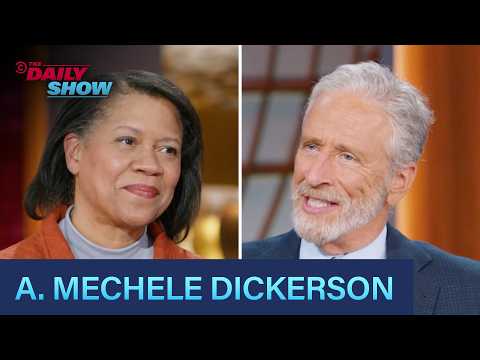
Mechele Dickerson.
Mechele
Dickerson
Dictionary
Tap ? for definitions, examples, pronunciation, and comprehension questions.
- Pause
0.5x - Slower
0.75x - Slow
1.0x - Normal
You might also like these videos




If you enjoy using our custom video player, why not join thousands of subscribers who have signed up to our free weekly lessons?